
Health Q&A: How does alcohol cause dehydration?
Some theories suggest these compounds might slightly modulate how your body processes alcohol, potentially affecting vasopressin levels indirectly. However, no conclusive evidence shows that congeners reduce dehydration caused by ethanol itself. Red wine contains congeners—chemical compounds formed during fermentation—that contribute to flavor and aroma but may influence hangover severity rather than hydration directly. Tannins and polyphenols in red wine have antioxidant properties but don’t counteract fluid loss.
Factors like drink type, quantity, and hydration status influence dehydration speed
- This pretty much creates a pecking order for which drinks will dry you out the most.
- Beer’s lower alcohol content combined with its high water volume means it causes less dehydration compared to red wine or spirits.
- If you’re drinking at altitude (and you’re not used to it!) remember that dehydration is a much bigger concern.
However, I’ve also noticed that when I’m mindful of my water intake and enjoy my wine in moderation, I haven’t experienced significant dehydration. A study published in the Journal of Applied Physiology found that while alcohol did have a diuretic effect, it did not cause substantial dehydration when consumed in moderation. The key here is moderation – excessive alcohol consumption can lead to greater fluid loss and dehydration. Drink a Sober living home glass of water alongside your glass of red wine and continue to hydrate with water throughout the day to maintain proper hydration levels. Alcohol consumption affects the body by inhibiting the secretion of an antidiuretic hormone.
- The relationship between red wine and hydration stems from the alcohol content in the beverage.
- Replenishing water and electrolytes can ease hangover symptoms significantly.
- For those looking to maintain hydration while enjoying a glass, it’s wise to alternate with water or include food with higher moisture content.
- Alcohol, including wine, is indeed a diuretic, meaning it promotes increased urine production, which can potentially lead to dehydration.
But when alcohol shows up, it acts like a communication jammer, directly interfering with your brain and suppressing https://hokmedical.com/sober-living/top-15-highly-dangerous-prescription-drugs-4/ the release of ADH. This cascade of events is precisely why you experience those classic hangover symptoms, from dizziness and fatigue to a pounding headache. Consuming food alongside your drink can slow absorption and reduce diuretic effects. Beer has more water per serving which somewhat offsets its mild diuretic effect. Spirits pack a bigger punch per ounce but are often diluted with mixers.
Opting for lighter-colored drinks can be a smart choice when you’re aiming to minimize dehydration. Consider clear spirits, light beer, or wine spritzers as alternatives. Being mindful of your drink choices can make a difference in how your body handles alcohol’s effects.

Understanding Alcohol’s Impact on Hydration
Wine sits in the middle — enough alcohol to cause noticeable dehydration without as much water dilution as beer. We created our BodyBio E-Lyte concentrate to counteract the effects of dehydration and boost electrolyte and mineral stores to help alleviate symptoms across the board. The night is off to a great start and you’re catching up with friends and family. Then you suddenly start to feel the effects of more alcohol than your body’s used to on a regular evening. You weren’t planning for a headache, nausea, and endless trips to the bathroom to interrupt this party. A great way to prevent dehydration from alcohol is to make mineral supplements a part of your daily routine.
Avoid alcohol on hot days
But wine is nothing compared to liquor, in which a single one and a half-ounce shot may contain up to 70 percent alcohol content. Next Health clarifies the relationship and difference between alcohol and hydration. If you want to get into the weeds, you can explore the full findings on rehydration and alcohol yourself. Grabbing a regular beer after a tough gym session is a pretty bad way to rehydrate—it actively works against what does wine dehydrate you your body is trying to do. But here’s where it gets interesting—the story isn’t quite that simple. For over 80 years, researchers have been digging into this, and the evidence is more subtle than you’d think.
In fact, some studies suggest that moderate wine consumption can have potential health benefits, such as reducing the risk of heart disease and certain types of cancer. However, it is essential to balance wine consumption with plenty of water and other hydrating beverages to minimize the risk of dehydration. The impact of alcohol on hydration can vary depending on the type and amount of wine consumed. For example, white wine tends to have a higher water content than red wine, but it can also have a higher diuretic effect due to its higher sulfur dioxide content. On the other hand, red wine contains more antioxidants, which may help mitigate some of the negative effects of alcohol on hydration.
Because your body has to use extra energy to break down the wine contents, your body’s core temperature may also increase. If you are wearing multiple layers or in a warm environment, you could induce a light sweat if you drink multiple glasses of wine in a row. Alcoholic beverages like wine have their pleasures, but drinking too much wine or other alcohol in short order can leave you feeling dizzy, tired, and even with a headache. All of these are common symptoms of dehydration, which is why many people believe that wine dehydrates you after you drink it.
If you’re sipping something with low alcohol content and a lot of water, like a light beer, the water you’re taking in can help offset some of what you’ll lose. The diuretic effect is still there, for sure, but it’s a lot less aggressive. The biggest spike in urine output usually happens within the first minutes after you start drinking. After that initial surge, your urine production tends to go back to normal, even if you keep drinking and your blood alcohol level stays high. If you’re curious, you can learn more about the research on alcohol’s complex relationship with hydration.
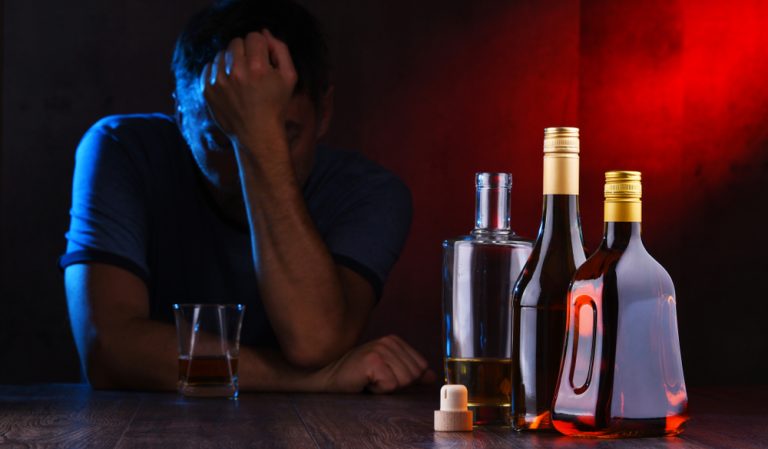
How to prevent alcohol dehydration:
Avoid sugary or caffeinated beverages, as these can further dehydrate you. Drinking beer, a glass of wine, or other types of alcohol introduces a substance into the body that causes certain reactions. Therefore, alcohol induced dehydration can occur when drinking alcohol without having a glass of water–or more, depending on how much alcohol you’re drinking. The dehydrating property of wine is directly linked to how alcohol interferes with the body’s fluid regulation system. Alcohol is classified as a diuretic, meaning it increases the rate of urination, which leads to a net loss of body water. This effect occurs primarily because alcohol suppresses the release of the antidiuretic hormone (ADH), also known as vasopressin.
- Having one glass of wine with dinner will likely not cause dehydration.
- Since alcohol travels through the bloodstream, it can travel to other areas of our body including the pituitary gland in our brain.
- While occasional dehydration might just mean a bad headache, ongoing dehydration can have lasting consequences.
- In conclusion, alcohol’s dehydration effects are compounded by its depletion of sodium, potassium, and magnesium, creating a dual threat to bodily function.
- People often wonder if wine dehydrates more or less than other drinks like beer or spirits.
Eating a meal rich in protein, fat, and carbohydrates delays the rate at which ethanol reaches circulation. By tempering the peak blood alcohol level, food helps lessen the acute inhibition of ADH, reducing the severity of the diuretic effect and fluid loss. “If you are looking to find a drink that is less dehydrating, try choosing ones that you would enjoy over a longer period of time,” Richardson says. Sipping on one whisky all evening will likely mean you ingest less alcohol overall than three or four standard glasses of wine. Diluting a vodka with soda will also mean it’s more hydrating overall, though it’ll still have diuretic effects. “The higher the alcohol content a drink has (or is absorbed in your body), the greater the diuretic and dehydration effect.”
Health News

Alcohol suppresses your appetite, which means you might not feel hungry even when your body needs nourishment and hydration. This is one of the reasons why alcohol can be so dehydrating—it reduces water intake while simultaneously increasing fluid loss. Mitigating the dehydrating effects of wine requires a proactive approach focused on maintaining fluid balance before, during, and after consumption. A prevention method is to alternate each serving of wine with a full glass of water, often called the “one-for-one” rule. This strategy helps replenish the fluids lost due to the diuretic effect while also slowing the rate of alcohol consumption. The fluid and electrolyte imbalance caused by wine consumption manifests in several noticeable physical symptoms.